Buying your first home in Montgomery County can feel exciting and overwhelming at the same time. You may be wondering how to compare home types, commute options, taxes, and assistance programs without missing something important. The good news is that with the right plan, you can make smart decisions step by step. Let’s dive in.
Understand Montgomery County’s housing mix
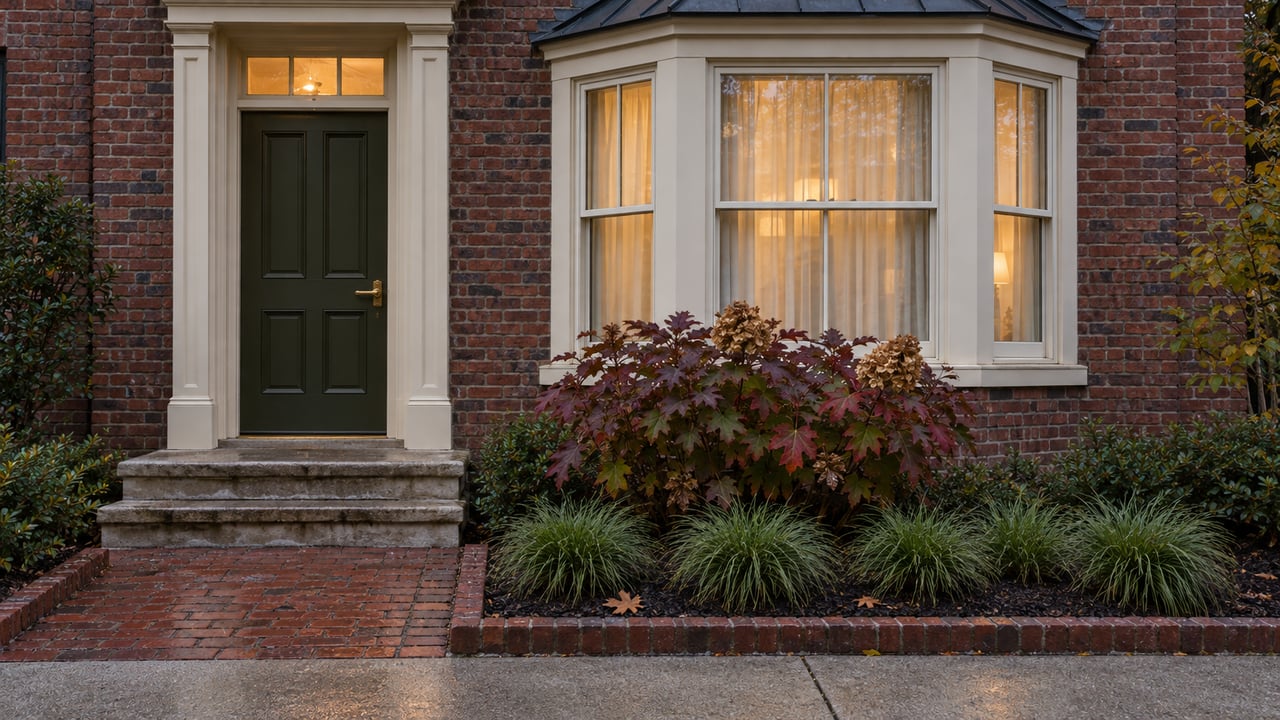
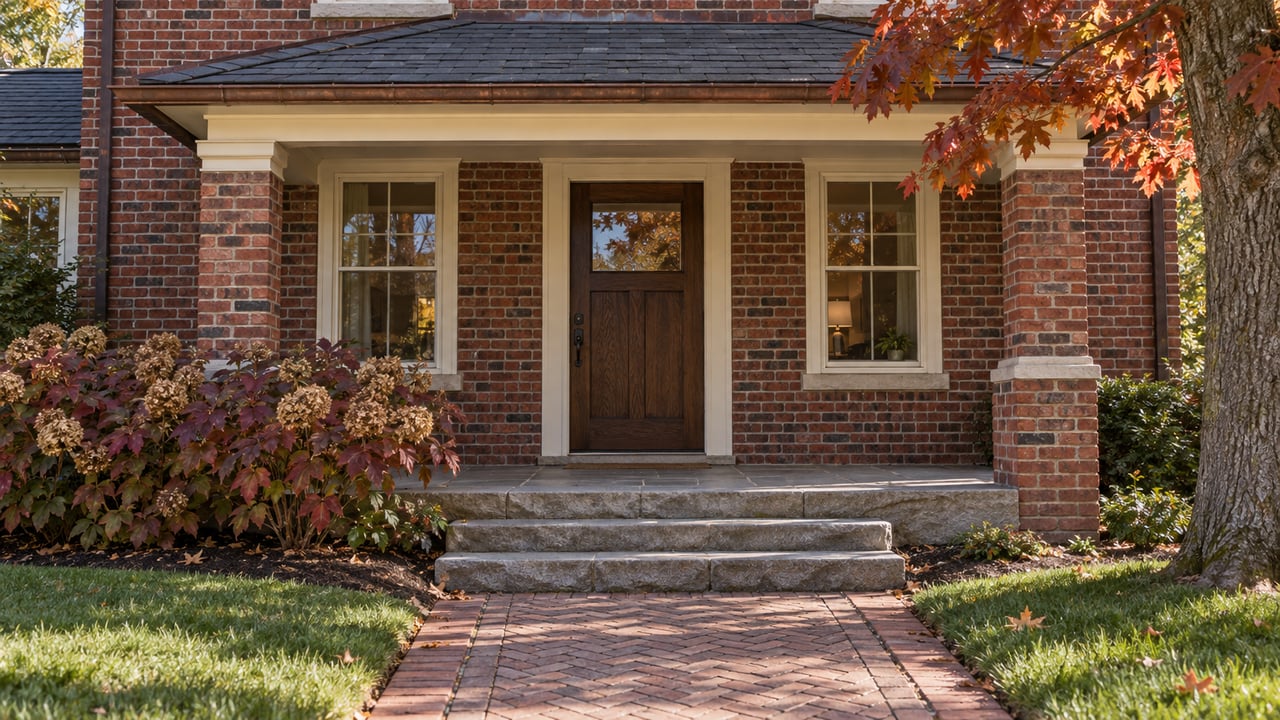
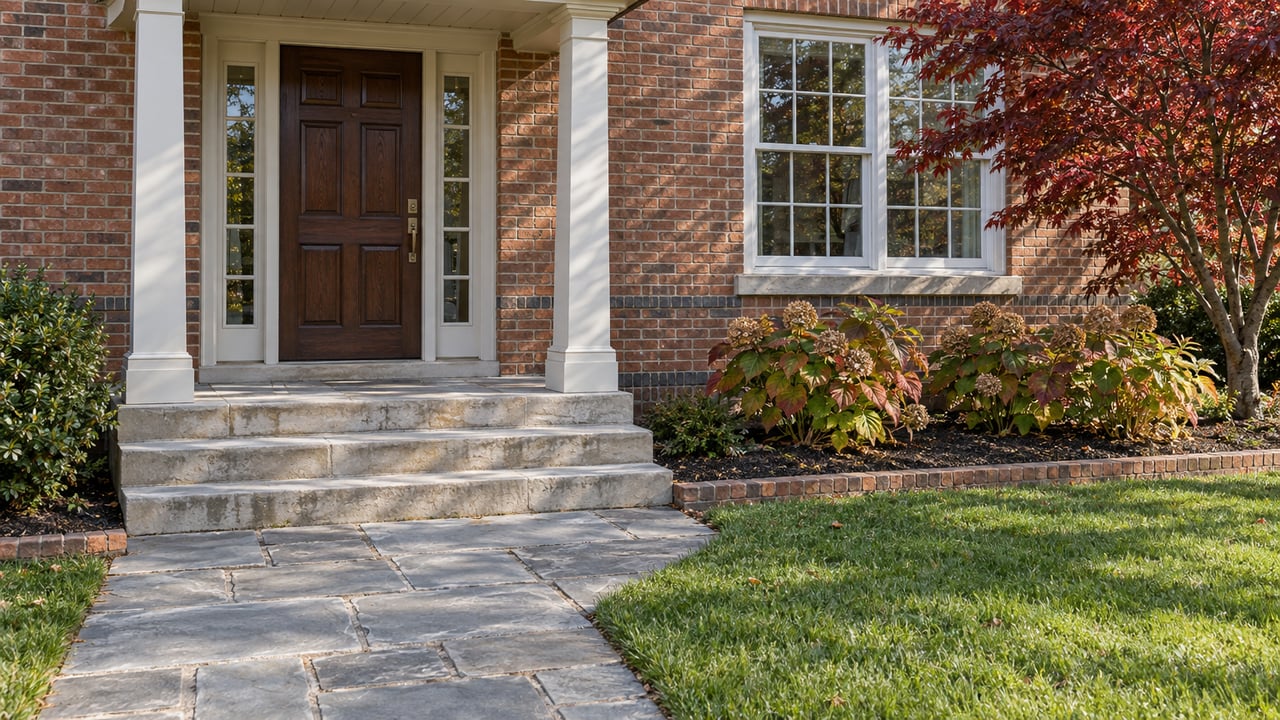
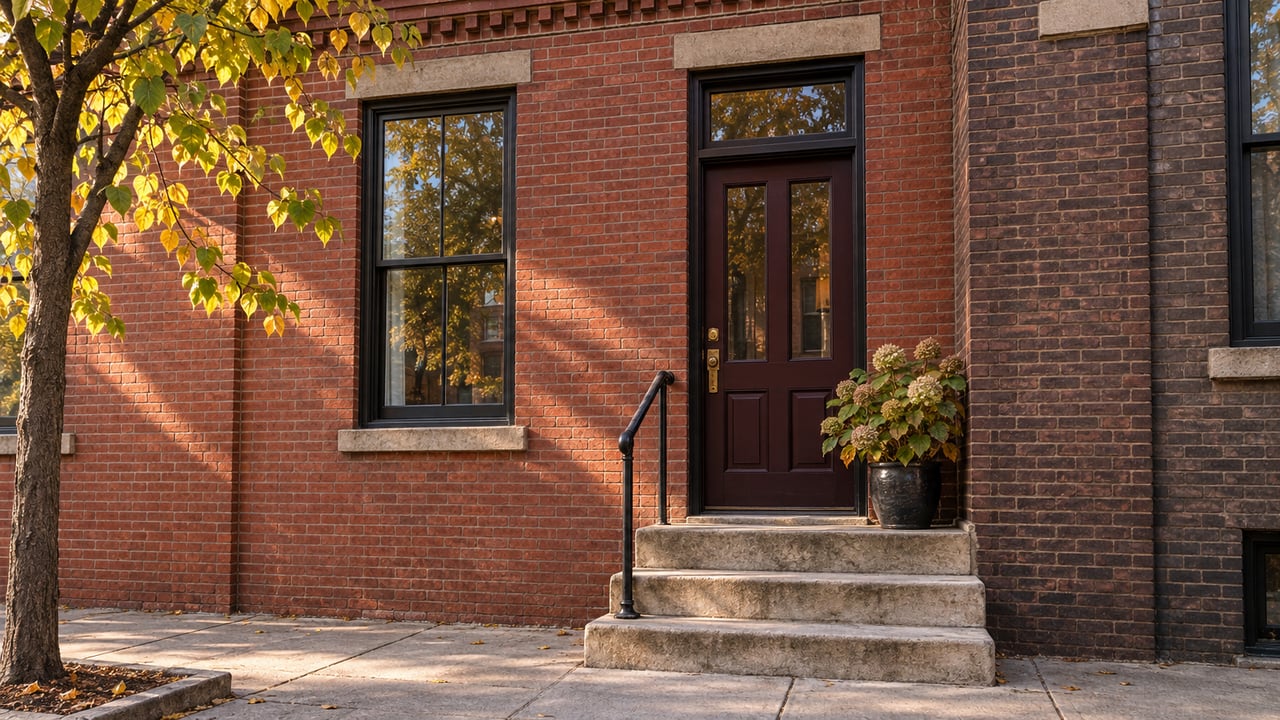
Montgomery County is not a one-style housing market. County planning data shows there were 410,541 housing units in 2024, with about 45% detached homes, 19% single-family attached homes, and 36% multifamily units.
That matters if you are buying for the first time. You are not limited to one kind of entry point. Depending on your budget, lifestyle, and commute, your options may include a condo, townhome, or detached home.
Expect different choices by area
The county’s planning approach focuses on compact, transit-supported growth in centers and corridors. In practical terms, that means your home search may look very different depending on whether you want Metro access, commuter rail access, or easier highway travel.
Major corridors identified by Montgomery Planning include Rockville Pike and MD 355, Veirs Mill Road, University Boulevard, Columbia Pike and US 29, and the I-270 corridor. These areas often come up early in a first-time buyer search because location affects both price range and daily routine.
Start with your budget, not listings
It is easy to begin with online listings, but your finances should come first. Before you tour homes, take time to review your credit, debt, savings, and the monthly payment you feel comfortable carrying.
Maryland DHCD recommends homebuyer education as early as possible. It also requires homebuyer counseling for the Maryland Mortgage Program, which offers fixed-rate mortgages along with down payment assistance and federal tax credits.
Plan for the full monthly cost
Your purchase price is only part of the picture. You also need to budget for mortgage interest and fees, property taxes, insurance, repairs, and HOA dues where applicable.
Looking at the full monthly cost can help you avoid stretching too far. It can also help you compare homes more clearly when one property has a lower price but higher taxes or fees.
Know the main assistance programs
One of the biggest mistakes first-time buyers make is assuming every affordability program works the same way. In Montgomery County, it helps to separate county programs, state mortgage programs, and local lending assistance.
If you understand what each program does, you can focus your time on the options that actually fit your needs.
MPDU homes
Montgomery County’s MPDU program offers affordably priced new and resale homes to first-time buyers with moderate household income. County materials say applicants must complete three free online classes, and the minimum household income is $40,000. Annual maximum income limits are updated around April.
For MPDU purposes, a first-time buyer is someone who does not currently own a home and has not owned one anywhere in the past five years. This is a county-specific pathway to affordable homeownership, not a general mortgage program.
Maryland Mortgage Program
The Maryland Mortgage Program is a state mortgage product. Maryland DHCD says it offers fixed-rate mortgages, down payment assistance, and federal tax credits, and it requires homebuyer counseling.
This program is different from MPDU. MPDU helps with access to certain affordable homes, while the Maryland Mortgage Program helps with financing.
HOC homeownership help
The Housing Opportunities Commission of Montgomery County offers homeownership tools for eligible first-time buyers. HOC says its Mortgage Purchase Program can be paired with down payment and closing-cost assistance.
HOC also states that Montgomery County’s McHAF can provide up to $25,000 in deferred assistance for eligible buyers, and its closing-cost assistance program can provide up to 5% of the sales price, capped at $10,000, for eligible buyers using HOC mortgage products.
Match your search to your commute
In Montgomery County, your commute can shape your search almost as much as your budget. The county’s planning documents emphasize transit-supported growth, and that makes transportation a practical first filter.
If you work in or near Metro-accessible areas, you may start by comparing Red Line station areas. If you need commuter rail or highway access, you may focus more on the I-270 corridor or places with MARC access.
Key transit and travel patterns
For local shorthand, first-time buyers often hear the same few routes and systems come up again and again:
- I-270
- MD 355
- Veirs Mill Road
- Metro Red Line
- MARC Brunswick Line
WMATA’s Red Line serves Montgomery County from Shady Grove to Glenmont. MARC’s Brunswick Line stops in Gaithersburg, Rockville, and Silver Spring.
That does not mean one area is right for everyone. It means you should compare homes in the context of how you actually travel each week.
Tour homes with a sharper checklist
Once you know your budget and target areas, home tours become more useful. Instead of asking only whether a place looks good, ask whether it works for your real monthly cost and daily life.
This is especially important in a county with many housing types. A condo, townhome, and detached home may all fit your budget on paper, but the ownership costs and upkeep can feel very different.
What to compare during tours
Keep your focus on both the home and the numbers:
- Estimated monthly payment
- Property taxes
- Insurance costs
- HOA or condo fees
- Commute time and cost
- Likely repair or maintenance needs
A home that feels affordable at first glance may look different after you factor in taxes, fees, and upkeep. That is why comparing total cost is so important.
Understand taxes before you close
Property taxes in Montgomery County are not one flat number. The county says the real property tax is set annually by the County Council, property is assessed every three years by SDAT, and the exact rate can vary by tax class and district.
That means two homes with similar prices may not have identical tax bills. It also means you should look carefully at tax estimates before you commit.
Why your tax bill may be higher
The county’s Homestead Property Tax Credit limits annual taxable assessment increases to 10% for principal residences, except 5% in the Town of Kensington. However, the county also says this credit does not apply in the first year after purchase.
As a result, your first-year tax bill may be higher than the seller’s current bill. Montgomery County also requires sellers to disclose estimated next-year property taxes to buyers, which gives you a better picture of what to expect.
Prepare for closing costs
Many first-time buyers spend so much time focusing on the down payment that they forget about settlement costs. In reality, your closing budget may include mortgage fees, transfer taxes, recordation taxes, title charges, insurance, and prepaid taxes and insurance.
Montgomery County says transfer and recordation tax bills must be paid before a property transfer or mortgage refinancing can take place. That is one reason it is so important to review your closing numbers carefully.
Use your disclosures to check the math
Your loan disclosures are key tools, not paperwork to skim. Buyers should receive a Loan Estimate within three business days after applying for a mortgage, and the Closing Disclosure must arrive at least three business days before closing.
Use those documents to compare expected costs with final costs. If something looks different than you expected, ask questions before settlement day.
A simple first-time buyer roadmap
If the process feels big, break it into smaller steps. A clear roadmap can help you stay focused and make better decisions.
Step 1: Review your finances
Check your credit, debt, savings, and comfort level for a monthly payment. Start homebuyer education early, especially if you may use a Maryland Mortgage Program option.
Step 2: Explore assistance options
Look at MPDU, the Maryland Mortgage Program, and HOC separately. Each serves a different purpose, and understanding that can save you time.
Step 3: Define your commute priorities
Decide whether Metro access, MARC access, or highway convenience matters most. In Montgomery County, that choice can narrow your search quickly.
Step 4: Tour with total cost in mind
Compare more than list price. Review taxes, insurance, fees, and likely upkeep as part of each home decision.
Step 5: Review disclosures closely
Use your Loan Estimate and Closing Disclosure to confirm the costs you are agreeing to pay. This is your chance to catch surprises before closing.
Step 6: Confirm settlement details
Before closing, make sure transfer and recordation items, lender charges, title charges, and prepaid items are reflected correctly. Small details matter.
Why local guidance still matters
A first home purchase in Montgomery County is more than a search for bedrooms and bathrooms. You are also weighing housing type, commute routes, local taxes, and program rules that can differ from one path to another.
That is where experienced, education-focused support can make the process feel more manageable. When you understand your options early, you can move with more confidence and fewer surprises.
If you are getting ready to buy your first home in Montgomery County, the team at DCARealtors is here to help you make sense of the process, compare your options, and move forward with a strategy that fits your goals.
FAQs
What types of homes can first-time buyers find in Montgomery County?
- Montgomery County has a mix of detached homes, townhomes, and multifamily housing, so first-time buyers often have several home-style options depending on budget and location.
What is the Montgomery County MPDU program for first-time buyers?
- MPDU is a county program that offers affordably priced new and resale homes to eligible first-time buyers with moderate household income, and applicants must complete three free online classes.
What counts as a first-time buyer for Montgomery County MPDU homes?
- For MPDU eligibility, you must not currently own a home and must not have owned one anywhere in the past five years.
What help does the Maryland Mortgage Program offer first-time buyers in Maryland?
- Maryland DHCD says the program offers fixed-rate mortgages, down payment assistance, and federal tax credits, and it requires homebuyer counseling.
What assistance does HOC offer Montgomery County first-time buyers?
- HOC says eligible buyers may use its Mortgage Purchase Program with down payment and closing-cost assistance, including up to $25,000 in deferred McHAF assistance and up to 5% of the sales price in closing-cost help, capped at $10,000, for eligible buyers using HOC mortgage products.
Why might a Montgomery County buyer’s tax bill differ from the seller’s bill?
- The county says the Homestead Property Tax Credit does not apply in the first year after purchase, so your first-year tax bill may be higher than the seller’s current bill.
What closing costs should first-time buyers expect in Montgomery County?
- Buyers should plan for mortgage fees, transfer taxes, recordation taxes, title charges, insurance, and prepaid taxes and insurance as part of settlement costs.
Which commute routes should first-time buyers compare in Montgomery County?
- A practical starting point is to compare homes based on access to the Red Line, the MARC Brunswick Line, I-270, MD 355, and Veirs Mill Road, since these routes shape many local commute patterns.