If you are thinking about selling in Montgomery County, preparation can have a real impact on how quickly your home attracts attention and how confidently buyers respond. In a market where listings move online first and buyers compare homes fast, the homes that feel clean, functional, and well cared for tend to stand out. The good news is that you do not need to overhaul everything to make a strong impression. With the right plan, you can focus on the updates that matter most and bring your home to market with fewer surprises. Let’s dive in.
Why preparation matters in Montgomery County
Montgomery County remains an active, high-value resale market. In May 2026, the county recorded 995 closed sales, 1,068 new listings, a median sold price of $693,500, average days on market of 23, and an average sold-to-list ratio of 99.8%. That tells you buyers are active, but they are also making quick comparisons.
The local housing stock also shapes what buyers notice. According to 2024 ACS data, a large share of homes in Montgomery County were built before 1980, and many homes offer the kind of room count and layout that buyers still want today. That means your prep should focus on both appearance and function, especially if your home has older finishes, systems, or storage areas that need attention.
Start earlier than you think
One of the most common seller mistakes is waiting until the week before listing to begin preparing the home. If you want the best result, give yourself time to declutter, schedule repairs, deep-clean, and handle any work that may require a permit or special review. A rushed launch often leaves easy improvements unfinished.
National seller timing research points to mid-April as a historically strong listing window, and Montgomery County's May 2026 activity still reflected a busy spring market with 1,048 new pendings and 1,068 new listings. Even if your exact timing changes, the takeaway is simple: prep should begin well before your target list date.
Focus on what buyers see first
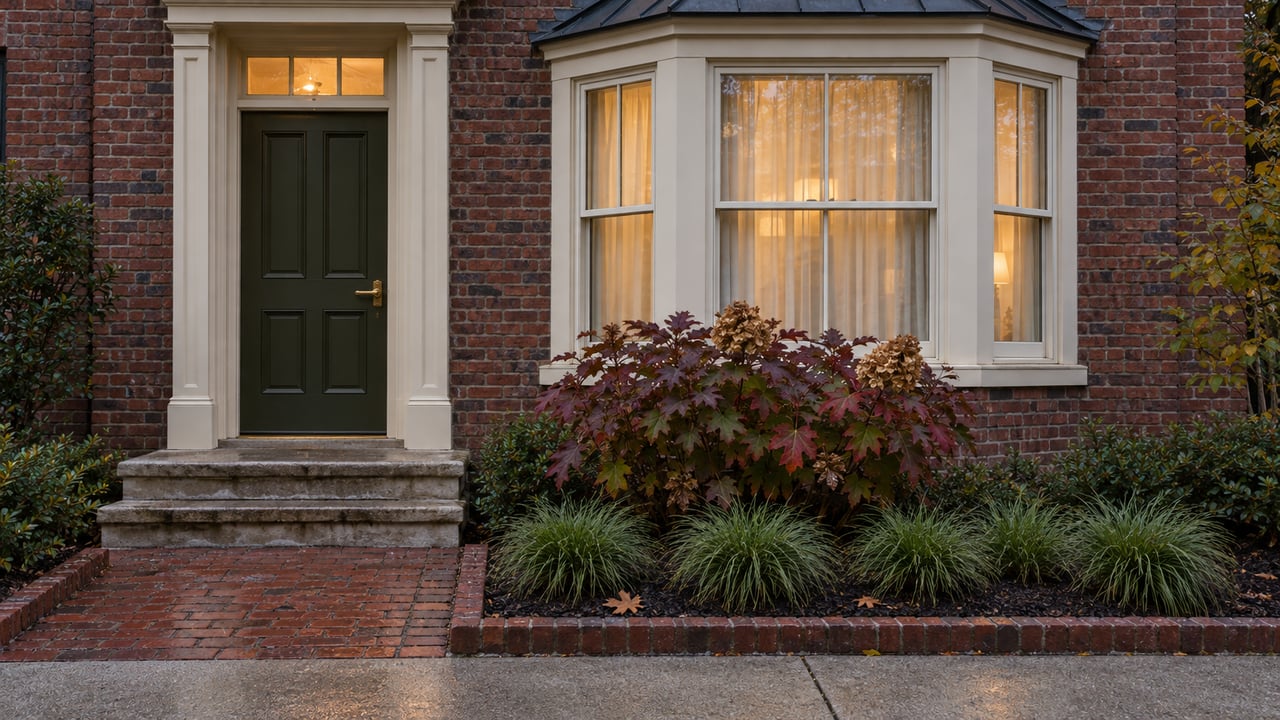
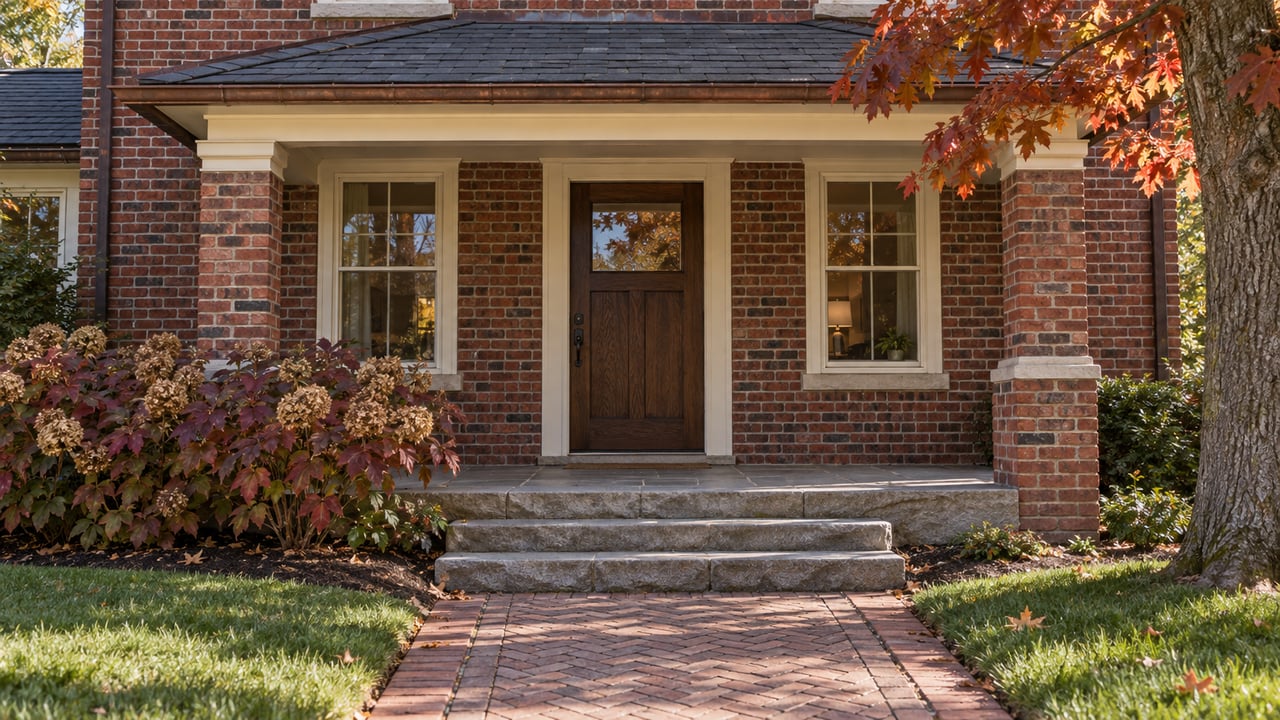
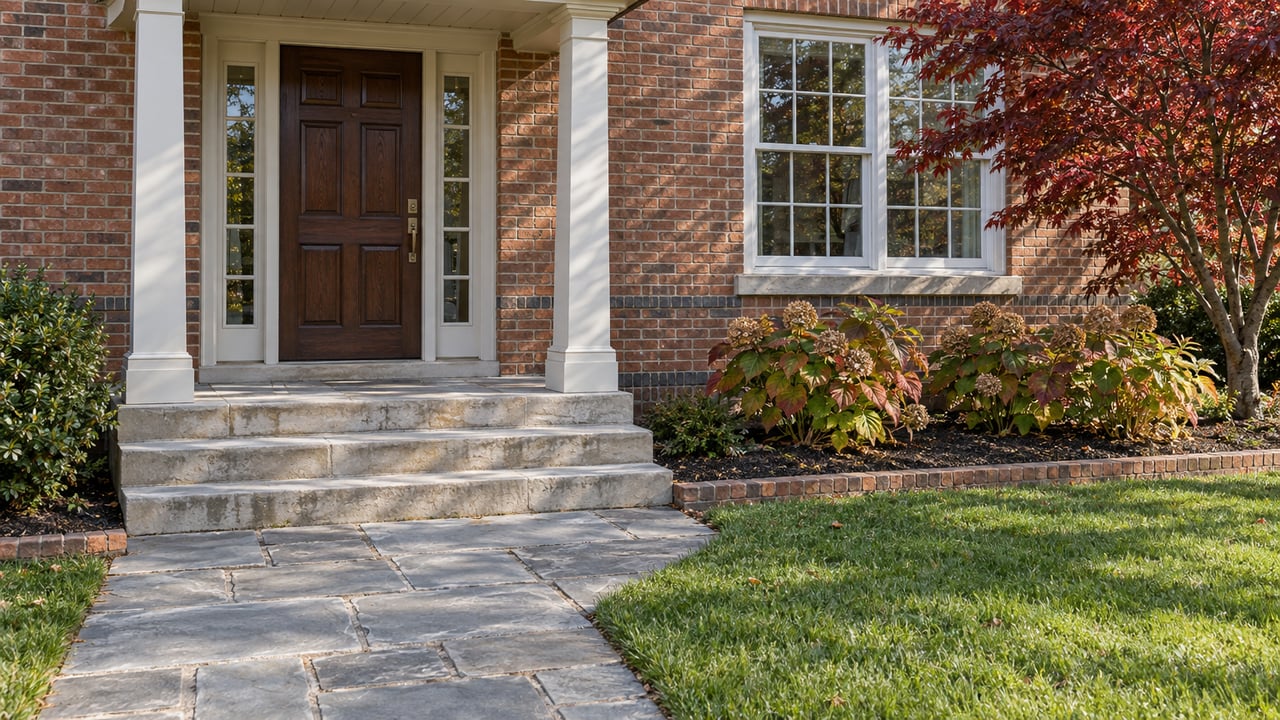
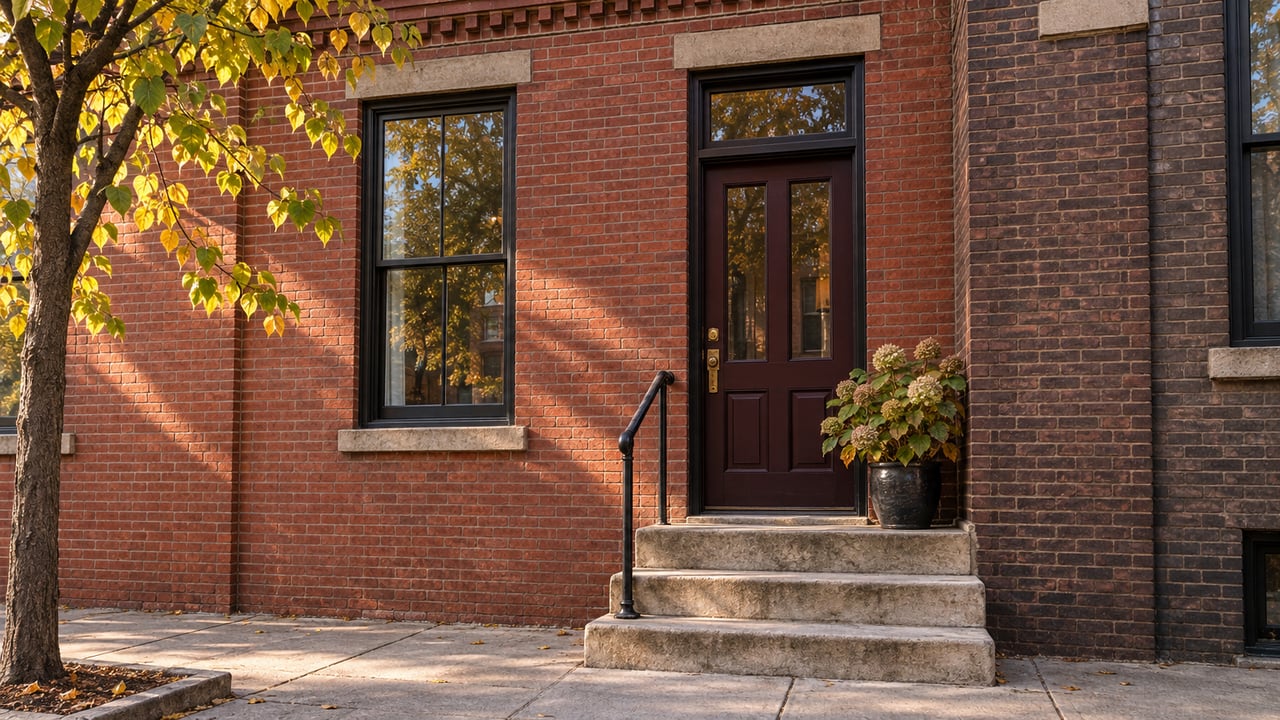
Today, presentation starts online. Research shows that 81% of buyers rate listing photos as the most useful feature in their home search. If your home does not look bright, clean, and inviting in photos, many buyers may never schedule a showing.
That is why seller prep should begin with the areas that photograph best and influence first impressions most. Staging does not have to feel formal or overdone. The goal is to help buyers understand the space and picture daily life there.
Prioritize these rooms first
The highest-impact areas to prepare are:
- Living room
- Primary bedroom
- Dining room
- Kitchen
- Outdoor spaces
These spaces tend to carry the most visual weight in both photos and in-person tours. If your time or budget is limited, start there before worrying about lower-impact areas.
Declutter for space and function
In Montgomery County, many buyers are looking at homes with enough room for storage, work-from-home use, and everyday flexibility. That makes clutter more than a visual issue. It can make an otherwise solid home feel smaller, darker, and harder to use.
Start by removing extra furniture, personal collections, and anything that interrupts the flow of a room. Closets, garages, mudrooms, and basement storage areas matter too. Buyers often open doors and look closely at storage, especially in homes with older layouts.
What to edit before photos and showings
Try to remove or reduce:
- Overfilled closets
- Bulky or extra furniture
- Personal photos and highly specific decor
- Crowded kitchen counters
- Visible cords and small electronics
- Overflow in garages and utility areas
A calmer, more open look helps buyers focus on the home itself rather than your belongings.
Clean deeply and brighten every room
A clean home signals care. A dirty one creates doubt, even when the issue is minor. Visible dirt, dingy rooms, lingering odors, bad lighting, and messy garages are common buyer turnoffs during showings.
Deep cleaning should go beyond the basics. Floors, carpets, baseboards, bathrooms, kitchen surfaces, windows, and light fixtures all affect how fresh a home feels. Replace weak bulbs, open curtains, and make sure each room feels bright and easy to walk through.
Neutral scent matters as well. Buyers should notice that the home feels fresh, not perfumed. Strong cooking smells, pet odors, or heavy air fresheners can distract from an otherwise well-prepared space.
Make minor repairs before listing
Small issues can raise bigger questions in a buyer's mind. A dripping faucet, loose handle, chipped paint, or sticking door may seem minor to you, but buyers often read them as signs of delayed maintenance. Taking care of these details before listing can help your home feel more move-in ready.
Minor cosmetic work is often the smartest place to spend your prep budget. In Montgomery County, many smaller jobs typically do not require permits, including painting, wallpaper, floor coverings, cabinets, gutters, siding, storm windows, and replacing windows or doors without changing the opening size.
Know when permits may be needed
Some larger projects usually do require permits in Montgomery County, including:
- Additions
- Decks
- Electrical work
- HVAC replacement
- Interior alterations
- Finishing a basement
If you are considering more than cosmetic work, check the permit rules before starting. If your property is in a historic district, substantive exterior changes may also require a Historic Area Work Permit. Ordinary maintenance and painting of non-masonry surfaces usually do not require that review, but bigger exterior changes can.
Be thoughtful with older homes
Because so much of Montgomery County's housing stock was built before 1980, older-home prep is a practical issue for many sellers. Buyers may pay close attention to the roof, windows, electrical service, plumbing, heating and cooling, and signs of deferred maintenance.
If your home was built before 1978, repairs that disturb paint should be handled carefully. Federal lead-safe work rules require trained and certified practices for this kind of work in pre-1978 housing. This is especially important if you are patching, sanding, replacing trim, or doing similar prep before listing.
Older homes can show beautifully, but they benefit from honest preparation. Clean functionality, well-maintained systems, and a straightforward presentation usually matter more than trying to hide age with quick cosmetic shortcuts.
Consider a pre-listing inspection
A pre-listing inspection is not required, but it can be useful. If your home has older systems or visible maintenance concerns, an inspection may help you find issues before a buyer's inspector does. That gives you more control over what to fix, what to disclose, and how to price the home.
This can be especially helpful because Maryland's disclosure form covers major areas such as the roof, structure, plumbing, electrical, heating and air conditioning, wood-destroying insects, hazardous materials, smoke alarms, and carbon monoxide alarms. If you know your home has some age-related wear, getting ahead of those items can reduce stress later.
A pre-listing inspection does not mean you must repair everything. It simply helps you make informed choices before negotiations begin.
Understand Maryland disclosure requirements
In Maryland, sellers complete a residential property condition disclosure or disclaimer. The seller's agent should obtain that form at the time of listing and provide it when an offer is expected or received. The law also makes clear that the disclosure is not a substitute for the buyer's independent home inspection.
Sellers are not required to conduct an independent investigation to complete the form. Still, honest and organized preparation matters. If you know about a condition issue, it is better to plan for how it will be addressed in pricing, repairs, or disclosure rather than hope it does not come up.
Lead disclosure for pre-1978 homes
If your home was built before 1978, federal law requires disclosure of any known lead-based paint or lead-hazard information before sale. Sellers must also provide the required EPA/HUD pamphlet and give the buyer an opportunity to inspect or test unless the parties agree otherwise.
In Montgomery County, this is not a rare issue. With so many older homes in the market, lead disclosure should be part of your prep checklist if your property falls into that age range.
Think carefully about an as-is strategy
Some sellers choose to market a property as-is. That can be a valid strategy, but it should be a pricing and negotiation decision, not a replacement for preparation. Buyers still respond better to homes that are clean, accessible, and presented honestly.
In other words, as-is does not mean do nothing. Even if you do not plan to make repairs after inspection, it still helps to declutter, clean thoroughly, manage odors, improve lighting, and handle simple cosmetic issues before the home hits the market.
Prepare for showings that match the photos
Once your listing is live, your in-person presentation should confirm what buyers saw online. If the home feels darker, smaller, more cluttered, or less maintained than the photos suggested, buyers may feel disappointed or misled. That can weaken interest fast.
Before each showing or open house, keep the routine simple and consistent. Turn on lights, open curtains, clear counters, manage pets, and make sure storage areas stay tidy. Buyers should be able to move from online interest to in-person confidence without surprises.
Showing-day checklist
Use this quick checklist before buyers arrive:
- Turn on lamps and overhead lights
- Open blinds or curtains for natural light
- Wipe down kitchen and bathroom counters
- Put away pet items when possible
- Empty trash and remove strong odors
- Make beds and straighten seating areas
- Keep closets, garage, and entry areas orderly
This kind of consistency helps your home feel cared for at every visit.
Keep the goal simple
Preparing your Montgomery County home for the market is not about making it perfect. It is about making it easy for buyers to see the value, understand the condition, and feel comfortable taking the next step. In a market where well-presented homes stand out quickly, the best results often come from thoughtful planning, visible upkeep, and a launch that feels polished from day one.
If you are getting ready to sell and want practical guidance on timing, prep, pricing, and presentation, DCARealtors is here to help you build a smart strategy for your next move.
FAQs
Which rooms matter most when preparing a Montgomery County home for sale?
- The top-priority spaces are the living room, primary bedroom, dining room, kitchen, and outdoor areas because they have strong impact in photos and showings.
Is a pre-listing inspection worth it for a Montgomery County seller?
- It is optional, but it can help you identify issues before a buyer uses them as leverage during negotiations, especially in homes with older systems or visible maintenance concerns.
Do cosmetic updates need permits in Montgomery County?
- Many minor jobs like painting, wallpaper, floor coverings, cabinets, gutters, siding, and similar cosmetic updates usually do not require permits, but structural and system changes often do.
What should sellers know about older homes in Montgomery County?
- Many local homes were built before 1980, so buyers may pay close attention to maintenance, systems, storage, and layout functionality, and pre-1978 homes may also involve lead-safe repair and disclosure requirements.
What disclosures apply when selling a home in Maryland?
- Sellers generally provide a residential property condition disclosure or disclaimer, and buyers still have the right to rely on their own inspection.
What extra steps apply to a pre-1978 home in Montgomery County?
- If your home was built before 1978, you must disclose known lead-based paint or lead-hazard information before sale and provide the required lead-related materials to the buyer.