Wondering what daily life in Washington, DC really feels like? If you are thinking about moving to the city, renting before you buy, or just trying to picture your next chapter, DC offers a mix of fast-paced city living, strong transit access, rich culture, and very different housing options from one area to the next. Here’s a practical look at what it’s like to live in Washington, DC so you can decide whether the city fits your lifestyle. Let’s dive in.
Washington, DC at a glance
Washington, DC is a compact and very dense city. The U.S. Census Bureau estimates the city’s population at 693,645 as of July 1, 2025, spread across 61.13 square miles. That works out to about 11,280.7 people per square mile, which helps explain why many parts of the city feel active, walkable, and urban.
Daily life often reflects that density. You may live close to restaurants, offices, museums, parks, or transit, but you may also need to adjust to smaller living spaces and a higher overall cost of housing. Census QuickFacts reports a median household income of $109,870, a median gross rent of $1,954, an owner-occupied housing rate of 41.5%, and an average commute time of 30.0 minutes.
Daily life feels urban and connected
One of the biggest things people notice about DC is how connected the city feels. You are rarely far from a busy commercial area, a public space, or a major job center. That can make everyday errands, dining out, and meeting up with friends feel easier than they might in a more spread-out region.
At the same time, DC is not one-note. Some areas feel highly vertical and busy, while others are defined more by row houses, smaller apartment buildings, or detached homes. Your experience of city life can vary a lot depending on which part of DC you choose.
Getting around Washington, DC
Transportation is a major part of living in DC. For many residents, getting around does not always require driving everywhere, which can be a big lifestyle advantage. Public transit, biking, and walking all play a meaningful role in how people move through the city.
WMATA says the region’s core transit system includes Metrorail, Metrobus, and MetroAccess. Its rider guidance describes a network with more than 98 rail stations, 11 bus transportation centers, and hundreds of bus routes. That broad reach gives many residents options for commuting, errands, and entertainment.
Capital Bikeshare adds another layer of flexibility. The system includes 8,000 bikes and more than 800 stations across DC, Maryland, and Virginia. If you like short trips without using a car, that can make day-to-day living feel more convenient.
There are also a couple of changes worth knowing. DC Circulator ended service on December 31, 2024, and DC Streetcar ended service on March 31, 2026. Even with those changes, transit remains central to city life, and the National Park Service notes that public transportation is the best option for reaching National Mall and Memorial Parks.
Work, business, and city energy
If you want to live near major employment and activity centers, DC offers that in a concentrated way. The DC Office of Planning describes Center City as the heart of the District and the region’s economic, cultural, and historic core. That gives you a sense of how much of the city’s daily energy is tied to a relatively compact urban core.
Center City includes areas such as Downtown, Southwest, West End, Gallery Place/Penn Quarter, Mount Vernon Triangle, NoMa, Capitol Riverfront, and Poplar Point. Ward profiles also show how mixed these areas are, with offices, restaurants, retail, hotels, museums, theaters, federal buildings, parks, modern high-rises, and townhouses all part of the picture.
For residents, this means you can often be close to work and leisure at the same time. It also means some parts of the city can feel especially active throughout the day and evening. If you enjoy being near business centers and cultural attractions, DC can offer a lot within a relatively short distance.
Culture is part of everyday living
Living in DC means cultural access is not just an occasional perk. It can be part of your normal routine. Whether you like museums, live performances, public spaces, or historic landmarks, the city gives you frequent ways to plug into them.
The Smithsonian operates 17 free DC-area museums and the National Zoo, including 11 museums along the National Mall. That level of access is unusual and makes it easier to enjoy world-class exhibits without treating them as a major splurge.
National Mall and Memorial Parks protects more than 1,000 acres of federal parkland and more than 100 monuments and memorials. The Kennedy Center also adds to the city’s cultural rhythm, drawing millions of visitors each year for more than 2,000 performances, events, and exhibits, including more than 400 free performances annually.
For many residents, this translates into a city where a weekday evening or weekend can include a museum visit, a walk near major landmarks, or a performance without needing to travel far.
Parks and outdoor space in DC
Even though DC feels urban, green space is a real part of daily life. If outdoor access matters to you, the city offers more than many people expect. Parks, trails, and recreation centers help balance out the pace of city living.
Rock Creek Park is one of the standout examples. It spans 1,754 acres and includes more than 32 miles of trails and paths. That gives residents a substantial natural escape inside the city itself.
Anacostia Park offers another kind of outdoor experience, with riverfront recreation that includes a 3.5-mile paved trail, picnic areas, playgrounds, a skating pavilion, and a fitness center. DC DPR also says every resident is within two miles of a recreation center, which speaks to broad access to local recreation amenities.
If you picture city life as all concrete and traffic, DC may surprise you. Many residents can build walks, bike rides, or park time into their regular routines.
Housing styles vary by area
One of the most important things to understand about living in Washington, DC is that housing is highly area-specific. There is no single DC housing experience. The type of home you find often depends on which part of the city you target.
According to the DC Office of Planning’s 2026 housing analysis, more than half of homes in wards 1, 2, and 6 are large apartment buildings with 20 or more units. That can appeal to people who want a more vertical, urban style of living near central amenities and transit.
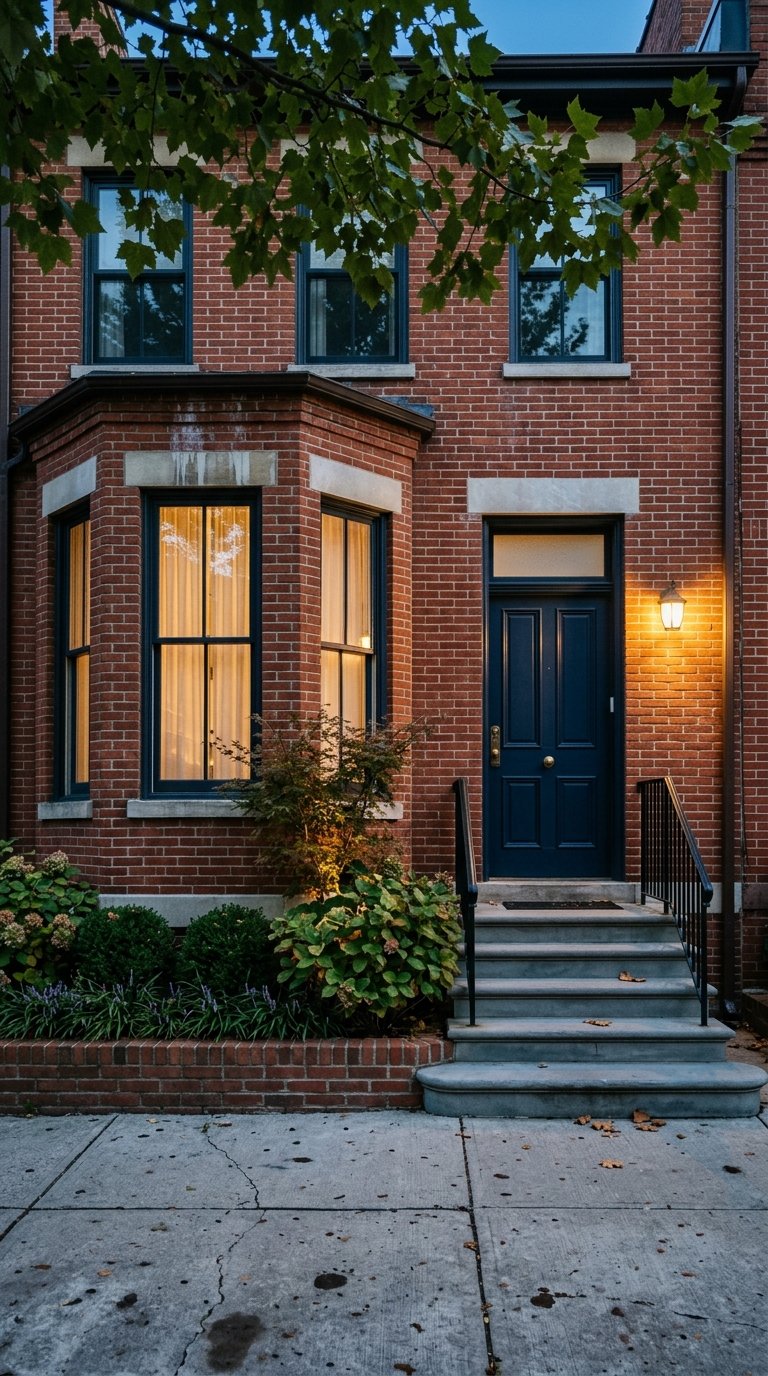
In wards 4, 5, 7, and 8, about 50% to 75% of homes are row houses and smaller apartment buildings. That points to a different feel, often with lower-scale residential blocks and a wider mix of home types.
Ward profiles help make those differences more concrete:
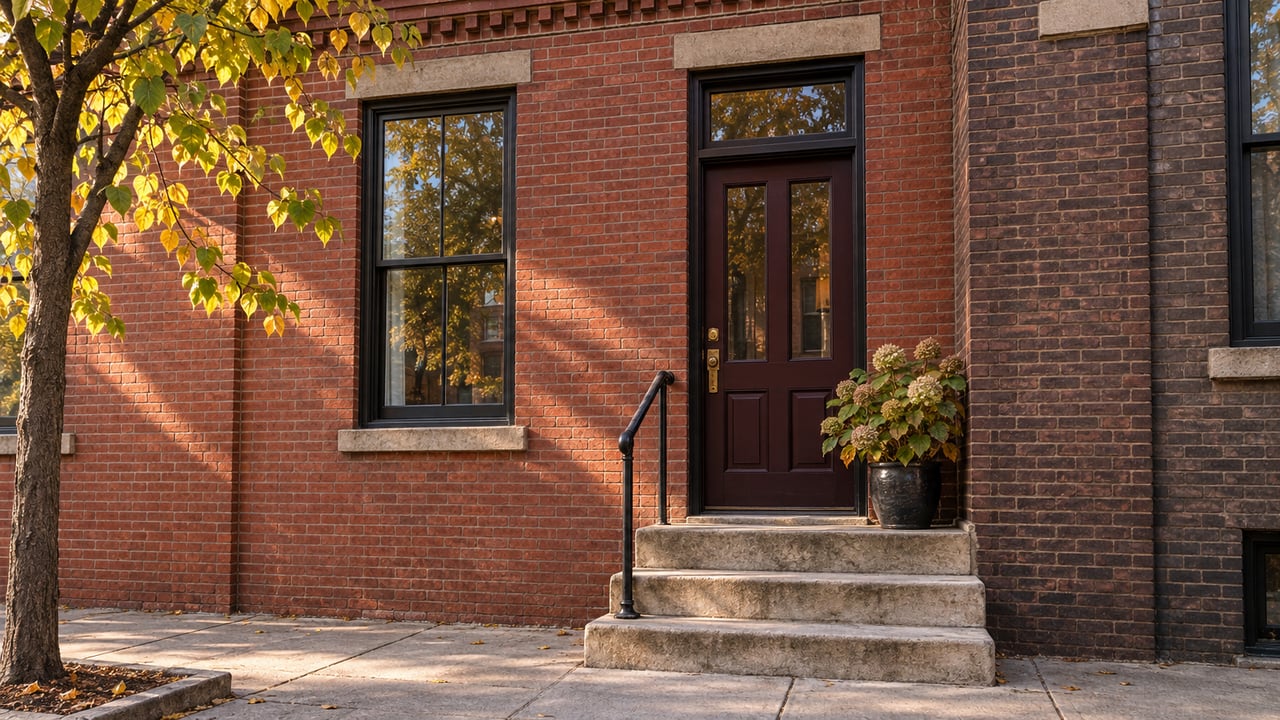
- Ward 6 includes Capitol Hill townhouses, Southwest Waterfront modern high-rises and townhouses, and Capitol Riverfront mixed-use development.
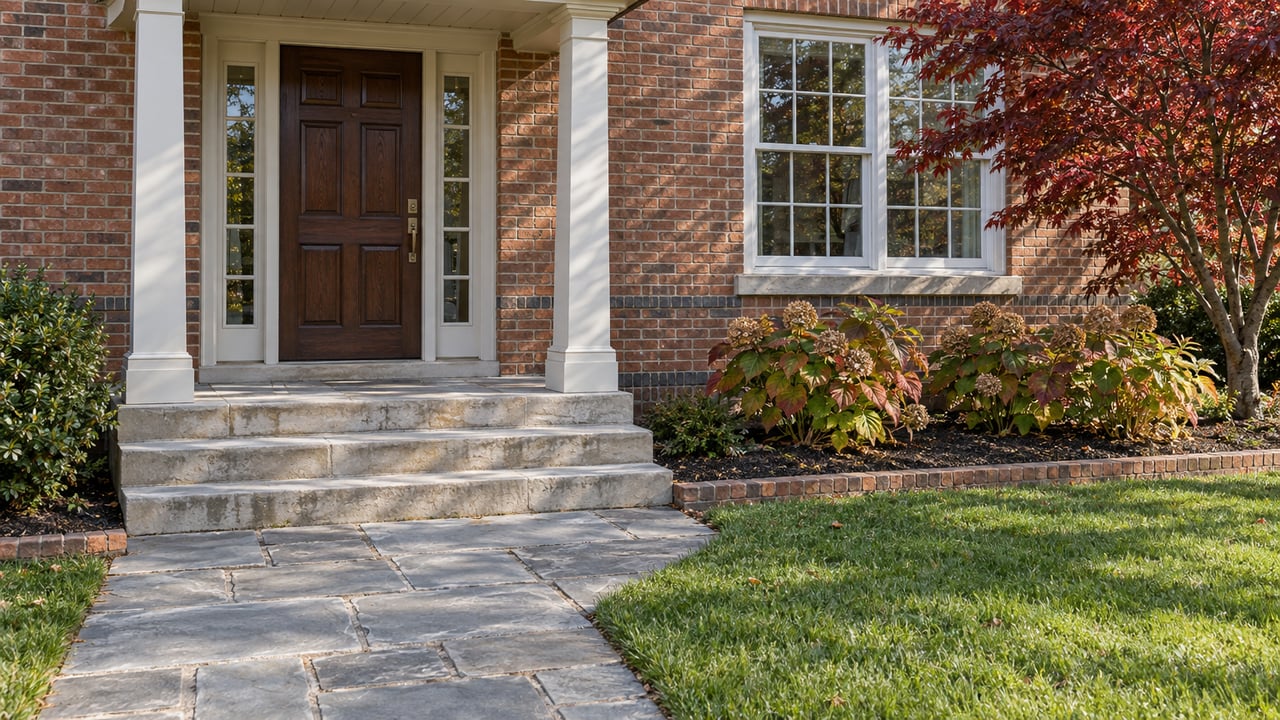
- Ward 4 includes townhouses, small apartment buildings, and single-family homes.
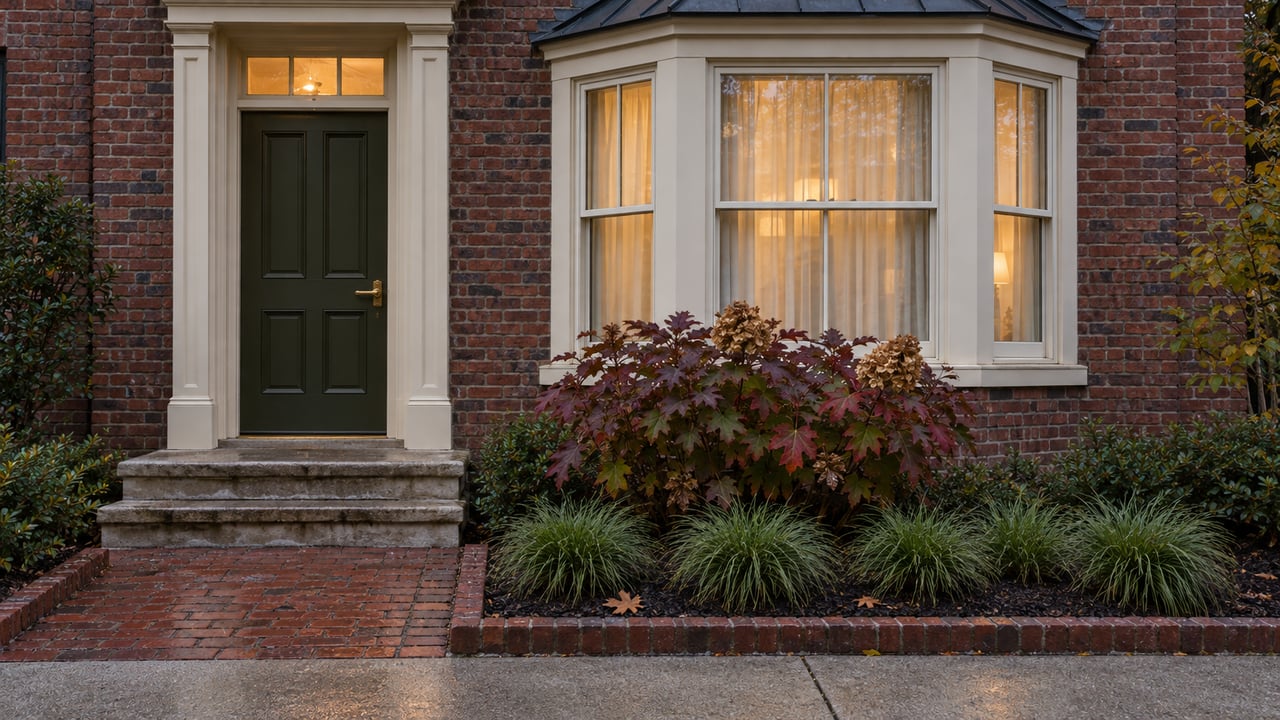
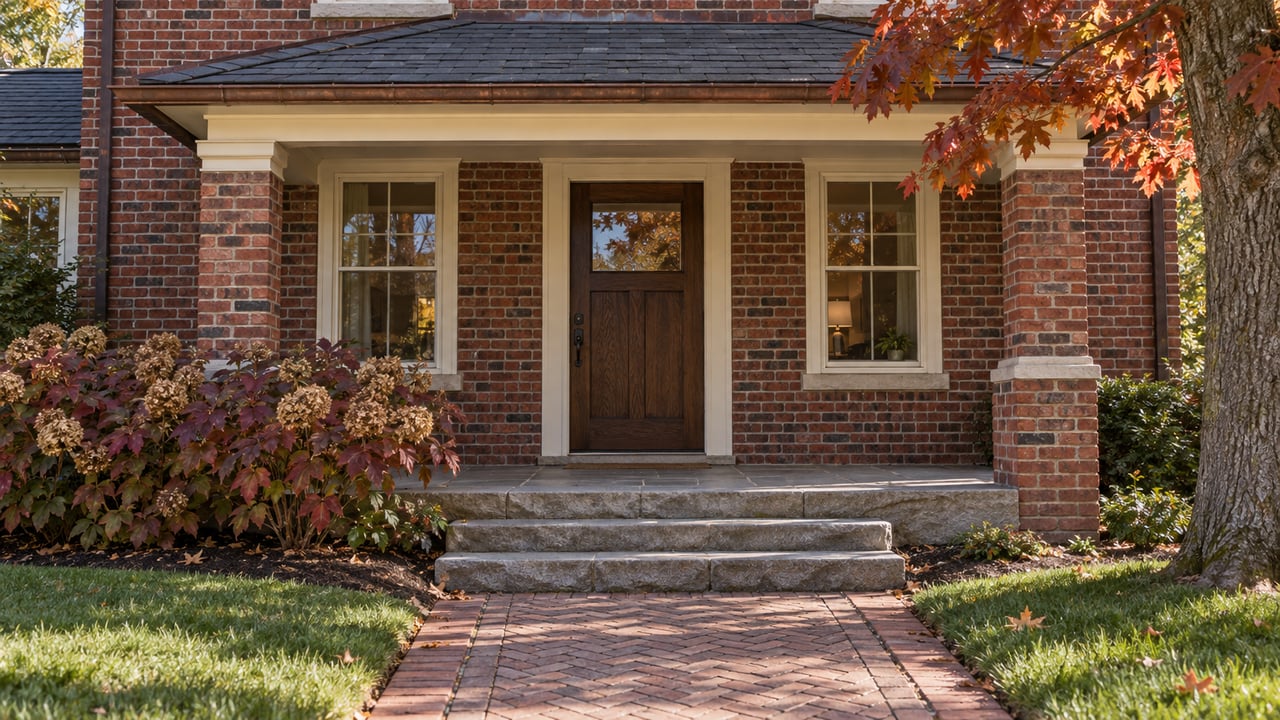
- Ward 8 includes wood-frame and brick houses, townhouses, garden apartments, bungalows, and some detached homes with yards.
This variety matters if you are deciding between renting and buying, or if you are trying to match your budget and lifestyle with the right part of the city.
What to expect on cost and space
DC is often described as a high-cost market, and the Census figures support that picture. A median gross rent of $1,954 and an owner-occupied housing rate of 41.5% suggest that renting is a major part of the housing landscape. That can make the city attractive for people who want flexibility, but it also means many buyers and renters need to plan carefully around budget and space priorities.
Because the city is dense and housing types vary, the tradeoffs can look different from one move to the next. You may choose a smaller home for a shorter commute, a row house for more character, or a location near transit and parks for daily convenience. In DC, lifestyle choices and housing choices are often closely linked.
Who tends to enjoy living in DC
DC can be a strong fit if you value access and activity. Many people are drawn to the city for its transit network, cultural institutions, central job hubs, and the ability to combine work, recreation, and daily errands in a compact setting.
It may also appeal to you if you want housing options that range from large apartment buildings to row houses, townhouses, and some detached homes. That kind of variety gives buyers and renters more than one way to experience the city.
At the same time, DC is not always the right match for every lifestyle. If you want more space at a lower cost, you may need to weigh location, home type, and commute priorities very carefully. That is where local guidance can make a real difference.
If you are exploring a move to Washington, DC, the right plan starts with understanding how you want to live, not just where you want to land. The team at DCARealtors offers the kind of hands-on guidance, education, and local insight that can help you compare options with clarity and confidence.
FAQs
What is everyday life like in Washington, DC?
- Everyday life in Washington, DC often feels urban, active, and connected, with access to transit, parks, job centers, museums, restaurants, and a wide range of housing types depending on the area.
What is commuting like in Washington, DC?
- Commuting in Washington, DC is shaped by Metrorail, Metrobus, MetroAccess, biking, and walking, and the U.S. Census Bureau reports an average commute time of 30.0 minutes.
What types of homes can you find in Washington, DC?
- Housing in Washington, DC includes large apartment buildings, row houses, townhouses, small apartment buildings, single-family homes, garden apartments, bungalows, and some detached homes with yards, depending on the ward.
Does Washington, DC have good park access?
- Washington, DC offers strong park and recreation access, including Rock Creek Park, Anacostia Park, and recreation centers that DC DPR says are within two miles of every resident.
Is Washington, DC more of a renter or buyer market?
- Washington, DC has a significant renter presence, with Census QuickFacts reporting an owner-occupied housing rate of 41.5%, which means renting plays a major role in the local housing landscape.